The pages of history are often filled with stories of power, ambition, and intrigue, and the tale of Edward Plantagenet, Earl of Warwick, is no exception. Born into the esteemed House of York, Edward’s life was characterized by political turbulence and the ever-present threat to his claim to the throne. In this blog post, we will explore the captivating journey of Edward Plantagenet, shedding light on his noble heritage, tumultuous upbringing, and ultimately, his heartbreaking demise.
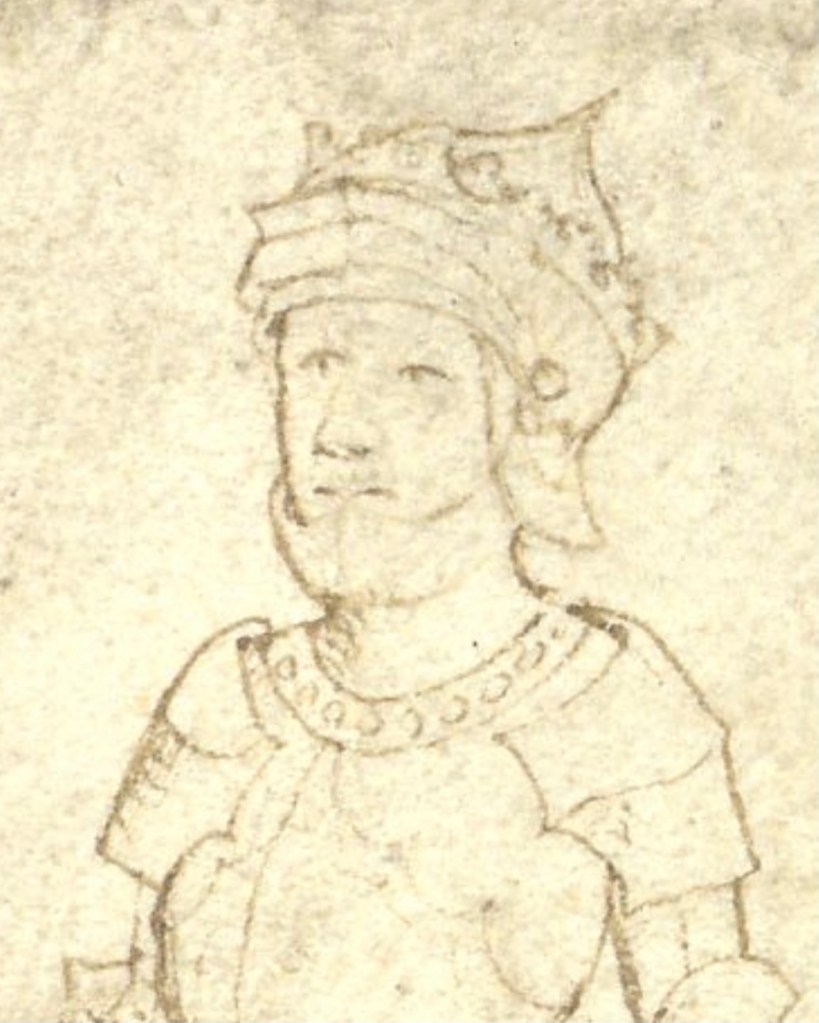
To understand the significance of Edward Plantagenet, it is crucial to delve into the illustrious lineage of the House of York. Descending from a long line of English monarchs, the Plantagenets ruled over England for over 300 years. Edward, as the son of George Plantagenet, Duke of Clarence, and the nephew of both Edward IV and Richard III, was seen as a direct heir to the Yorkist claim to the throne after the deaths of Edward IV’s sons.
Edward’s childhood was marred by uncertainty and danger. The Wars of the Roses, a period of intense conflict, cast a long shadow over England, and the young prince found himself caught in the crossfire of political intrigue. Following the execution of his father, George, on charges of treason, Edward was placed under the guardianship of his uncle, Richard III. However, Richard’s controversial rise to power and the enigmatic fate of the Princes in the Tower cast a dark cloud over Edward’s future. Due to his father’s attainder, Edward was unable to inherit the throne, but he remained a slight threat in the wake of Richard III’s death.
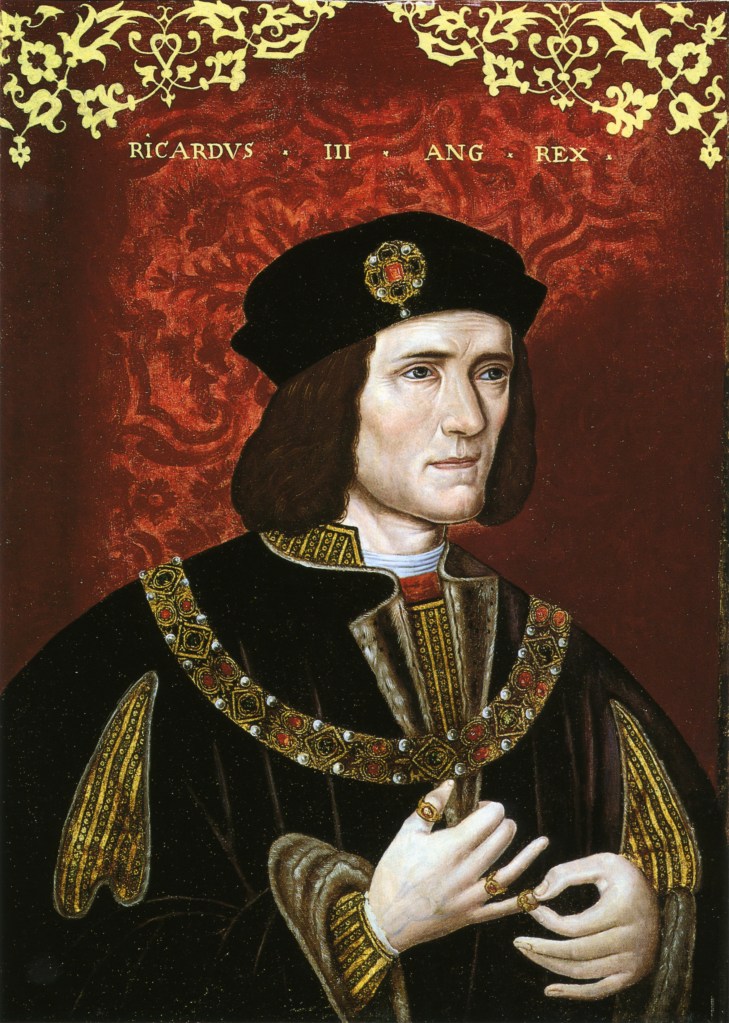
As the Tudor dynasty gained momentum, Henry VII recognised the potential threat Edward Plantagenet posed to his reign. In a bid to solidify his own position, Henry married Elizabeth of York, Edward’s cousin, thereby merging the Houses of Lancaster and York. However, Henry’s efforts to neutralise the Yorkist claim did not stop there. He took measures to ensure that the young Earl of Warwick would never become a legitimate contender for the throne. Edward was imprisoned in the Tower of London, reducing him to little more than a forgotten figurehead of the Yorkist cause.
In 1487, a plot to overthrow Henry VII emerged, a rebellion led by a young pretender known as Lambert Simnel. The conspirators aimed to replace Henry with Edward Plantagenet as he became involved, as he had become a focal point for Yorkist sympathisers. However, the rebellion failed, and Edward’s involvement sealed his fate. The young earl was once again imprisoned in the Tower.

Although Edward’s life was spared, Henry VII kept him locked away, conscious of the potential repercussions of executing a prince of royal blood. When another pretender to the throne, Perkin Warbeck, was locked in the Tower with him, the pair planned to escape together. Sadly for Edward, the attempt failed. In late November, he was put on trial, and found guilty of treason. On the 28th November, Edward Plantagenet, was executed by beheading, and the male line of the Plantagenets came to an end.
Edward Plantagenet, Earl of Warwick, stands as a poignant figure whose life was shaped by the relentless tide of political ambition and dynastic struggles. Born into a lineage of kings, his very existence threatened the stability of the Tudor dynasty. Imprisoned and isolated, Edward’s tragic tale serves as a reminder of the ruthlessness of power and the lengths to which rulers will go to secure their thrones.
To find out more about the Wars of the Roses and those who were part of them, check out my videos below!
 History's Forgotten People